2
Wax plugs
cheaper★★★★☆ 3.6
- Mold to the ear and seal well the first few times
- Started crumbling after the third week
- Soften in a warm pool hall and catch in your hair
With a swim plug essentially one thing matters: does it stay put through a flip turn. Anything that shifts there is just riding along in your ear from then on. We wore twenty pairs for ten weeks in the pool and in open water. Here is the order.
See our #1 ›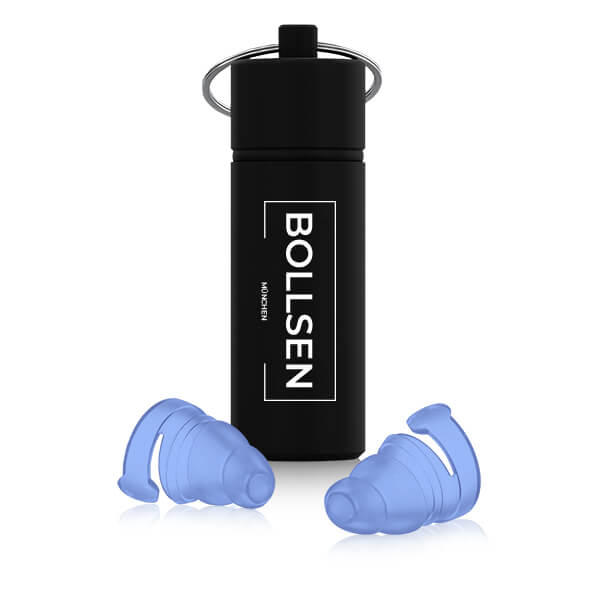
The only pair in the test still seated after twenty flip turns, and the only one that came out of the ear dry. The tapered body seals with two flanges inside the canal, not with a pad resting on the outer ear.
✓ Sold by BOLLSEN · free shipping over $39 · 40-day returns
Water does not get in on the first length. It gets in when your head snaps around at the wall.
Floating quietly, almost everything seals. So our testers swam twenty flip turns with each pair and only then checked where the plug was. Of the twenty pairs, eight had shifted and three had come out completely.
We scored sealing after a turn, behavior under a swim cap and one-handed insertion — that last one matters more than it sounds at the pool edge with wet hands.
Keeping water out of the ear is one of the ordinary precautions for swimming. The CDC lists a bathing cap, ear plugs, or custom-fitted swim molds as ways to keep water out of your ears. If you have an actual problem with your ear, a physician decides what to do about it — a product test does not answer that, and neither do we.
An indoor pool is a hard-surfaced room full of noise and these plugs take about 24 dB off it, which is a side benefit rather than the point. If quiet is what you are after rather than dry ears, the general sleeping and work plugs in this test are the better buy.
Twenty turns, twenty times still seated.
See our #1 ›After ten weeks — three pool sessions a week, two open-water swims, weekends with kids — the BOLLSEN Watersafe+ were the only pair that never shifted once.
With a swim plug the question is not whether it seals. It is whether it still seals after the twentieth turn.
Two flexible flanges sit one behind the other inside the canal. If the first moves, the second still holds. Models with a single pad resting on the outer ear have no such reserve, and the test showed it.
A swim cap stretches over the ear and drags a protruding stem out of position. This pair has no stem, so the cap could be pulled over without needing an adjustment afterward.
Rinse them, put them in the case, and they dry themselves. The wax plugs started crumbling in week three of the test, and foam simply would not go back in once wet.
Ten weeks of pool and lake. The same pair throughout.
See our #1 ›The only pair still sealing after twenty flip turns, and the only one that needed no adjustment under a cap.
| Rated on | Watersafe+ | Wax | Foam | Outer-ear silicone | Custom molds |
|---|---|---|---|---|---|
| Seals after a turn | ✓ | ~ | ✗ | ~ | ✓ |
| Does not shift under a cap | ✓ | ~ | ~ | ✗ | ✓ |
| Goes in with wet hands | ✓ | ✗ | ✗ | ✓ | ✓ |
✓ meets · ~ partly · ✗ does not meet — based on the pros and cons in the cards above; tap a card to open it.
See our #1 ›We bought twenty pairs at retail and used them for ten weeks: three pool sessions a week, two open-water swims and weekends with kids. With every pair we swam twenty flip turns and only then looked at where the plug was. None came from a manufacturer.
The winner’s attenuation was measured by an independent German laboratory to EN 352-2: 24 dB overall, most of it at high tones. It is a passive plug: it keeps water out and quiets sound without separating it. Results vary from person to person.